
Regulation
EU Machinery Regulation 2023/1230: What Changes for Machine Designers
From 20 January 2027, machinery placed on the EU market must meet the new Machinery Regulation instead of the Machinery Directive. Here is what it means at the drawing board.
Regulation3 October 2026·By The Sarjan Solution Team
For almost two decades, machinery sold in the European Union has been governed by the Machinery Directive 2006/42/EC. It is being replaced by Regulation (EU) 2023/1230, which was published in June 2023 and applies, for most of its provisions, from 20 January 2027. Machine builders in Germany, the Netherlands, Italy, France, Denmark and across the EU — and every non-EU manufacturer exporting machinery into it — need their designs and documentation ready by then.
This article focuses on what changes for the people designing machines and preparing their documentation. It is a practical overview, not legal advice. Always check the official text and the harmonised standards for your machine type.
Directive to Regulation: why the format matters
A directive has to be transposed into each member state's national law, which creates small differences between countries. A regulation applies directly and identically across the EU. For manufacturers this means one set of rules for the whole market, with fewer national quirks.
What stays the same
- The core approach: a risk assessment against the essential health and safety requirements, a technical file, a declaration of conformity and the CE marking.
- Harmonised standards such as EN ISO 12100 (risk assessment and risk reduction) and EN ISO 13849-1 (safety-related parts of control systems) remain the main route to presumption of conformity.
- Technical documentation must still be kept for at least 10 years after the machine is placed on the market.
What changes for designers
1. High-risk machinery is redefined
The old Annex IV list is replaced by Annex I, split into two parts. A small group of categories — including safety components and machinery with fully or partially self-evolving behaviour using machine-learning approaches — now always requires third-party conformity assessment by a notified body. For the other listed categories, internal checks remain possible when harmonised standards are fully applied. Check early which part of Annex I, if any, your machine falls under.
2. Control systems and cybersecurity
The essential requirements now cover protection against corruption — accidental or malicious — of software, hardware and connections that could lead to hazardous situations. Control-system safety must take into account faults, foreseeable misuse and attempts to tamper with the system. For connected machines, the safety concept and the control architecture need to be designed and documented with this in mind.
3. Autonomous and mobile machinery
New requirements address autonomous mobile machinery, supervisory functions, and the risks of moving parts in collaborative working (for example humans sharing a workspace with machines). Designers of AGVs, mobile robots and similar equipment should review these provisions closely.
4. Substantial modification
The Regulation clarifies that a person who substantially modifies machinery — in a way not foreseen by the original manufacturer that creates a new hazard or increases a risk — is treated as the manufacturer and must carry out the conformity assessment for the modified machine. Retrofit, rebuild and upgrade projects therefore need a documented risk assessment and updated drawings, not just new parts.
5. Digital instructions
Instructions for use may be supplied in digital form. A paper copy must still be provided free of charge if the customer asks for one at the time of purchase, and machinery intended for non-professional users must come with essential safety information on paper.
What this means for your technical file
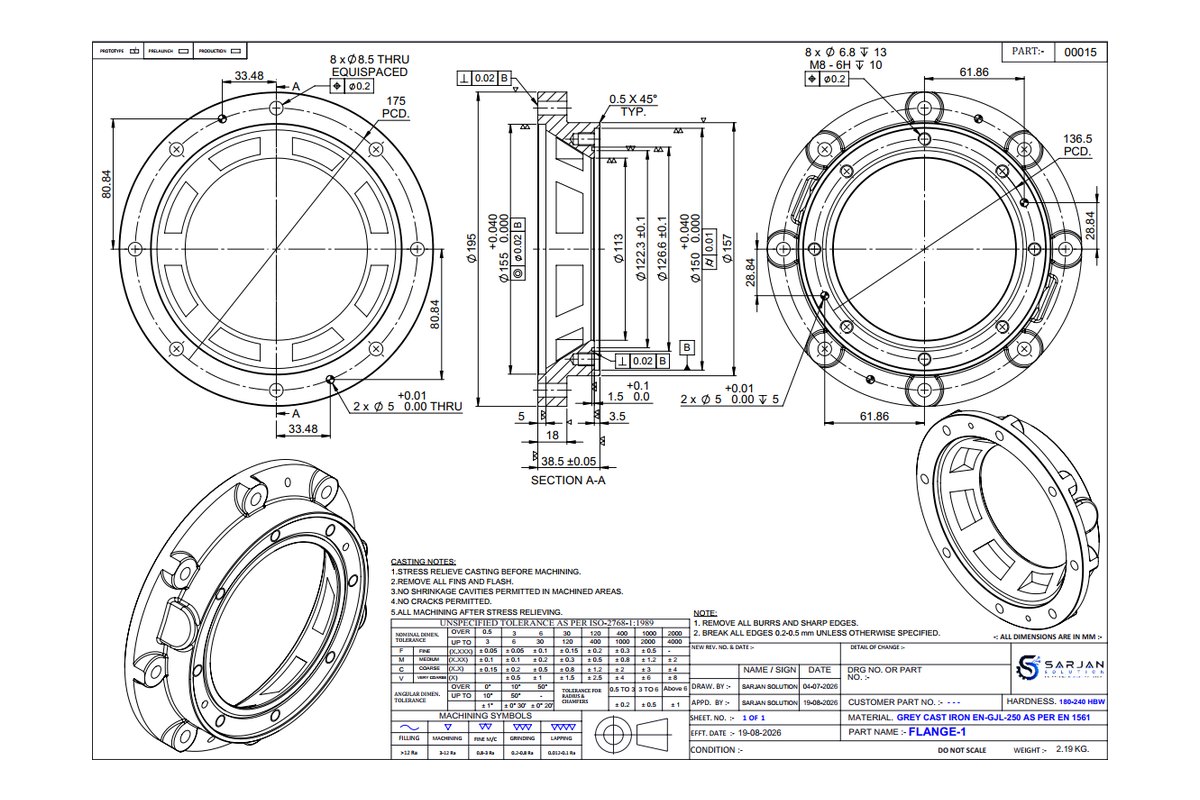
The engineering content of a technical file is still built on drawings and calculations:
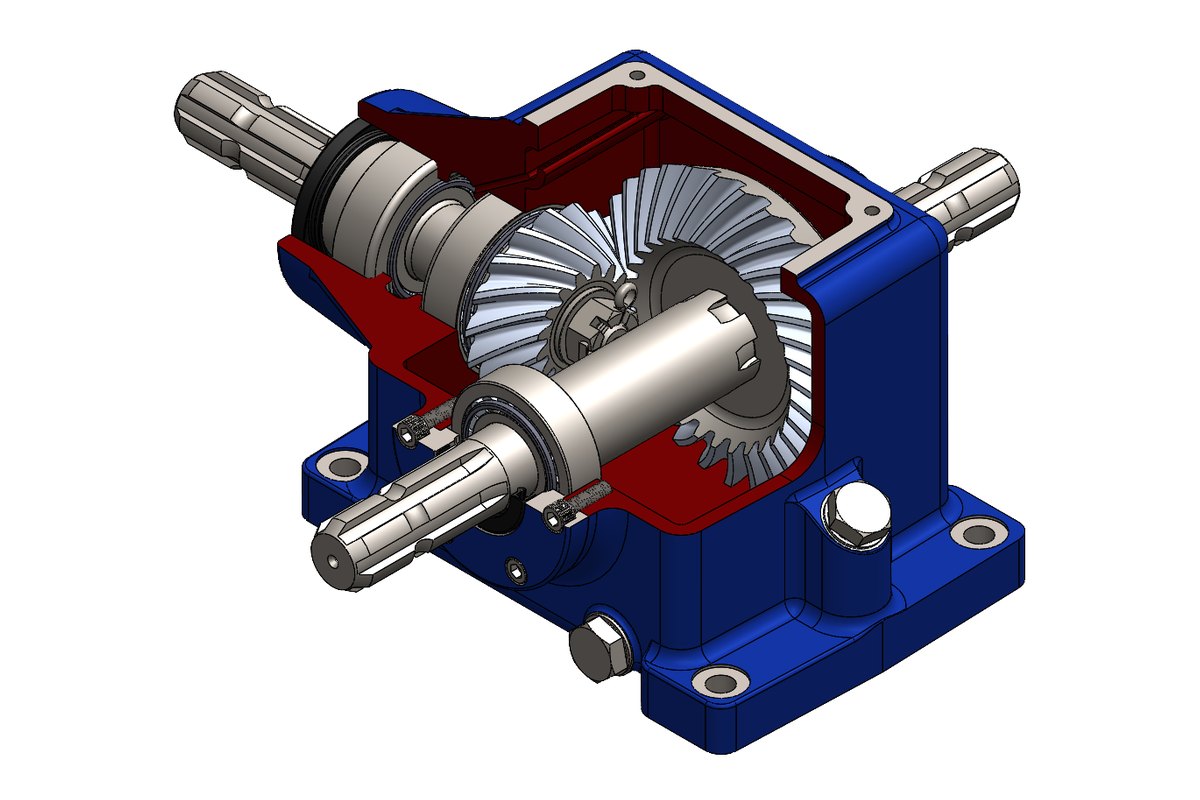
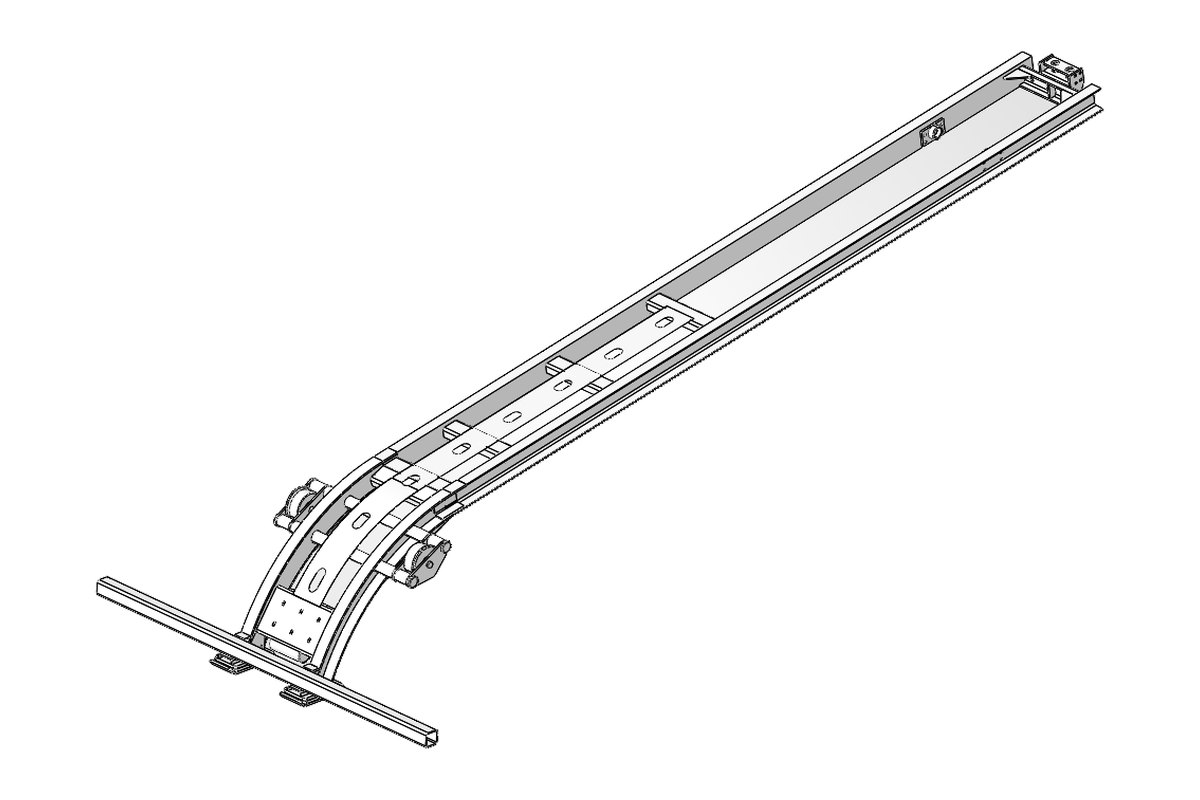
- General arrangement and assembly drawings that identify every safety-relevant component.
- Detail drawings and specifications for guards, interlocks, fixings and structures.
- Calculations and test or simulation results that demonstrate structural integrity, stability and the performance of safety functions.
- Control-circuit diagrams and descriptions of the safety-related control system, now including how it is protected against corruption.
- A revision history that shows exactly which design version the declaration of conformity covers.
A common weakness in existing files is drawings that are out of date or that no longer match the machine being shipped. With a deadline in 2027, now is a good time to audit the drawing set behind each machine family.
A practical checklist before 20 January 2027
- List your machine families and check each against Annex I.
- Review your risk assessments for the new requirements — control-system corruption, autonomy, collaborative working.
- Bring GA, assembly and guard drawings up to date and under revision control.
- Check that structural and guard calculations, or FEA reports, exist for each critical item.
- Plan how instructions will be delivered (digital or paper) and update the templates.
- For retrofits and rebuilds, define when a change counts as a substantial modification.
How we help
We do not issue conformity assessments or declarations — that responsibility stays with the manufacturer and, where required, a notified body. What we provide is the engineering content: up-to-date 3D models and drawings, guard and frame design, FEA reports, conversion of legacy 2D drawing sets, and reverse engineering of machines being rebuilt. We support machine builders in Germany, the Netherlands, Italy, France, Denmark and across Europe.
Frequently asked questions
When does the EU Machinery Regulation 2023/1230 apply?
Most of its provisions apply from 20 January 2027, when it replaces the Machinery Directive 2006/42/EC.
Does the new Machinery Regulation still use CE marking?
Yes. Machinery still needs a risk assessment, technical documentation, an EU declaration of conformity and the CE marking.
Can machine instructions be supplied digitally under the new Regulation?
Yes. Instructions may be digital, but a paper copy must be provided free of charge if requested at the time of purchase, and machinery for non-professional users must include essential safety information on paper.
What is a substantial modification under Regulation 2023/1230?
A physical or digital change, not foreseen by the original manufacturer, that creates a new hazard or increases an existing risk. Whoever makes it is treated as the manufacturer of the modified machine.
SS
Written by the Sarjan Solution Team
CAD design & engineering consultancy, Ahmedabad & Gandhinagar — delivering CAD, simulation and product design services to manufacturers in India, the UK, Europe and the USA since 2018.
Keep Reading
More Insights
Get Your Technical File Drawings In Order
Send us your requirement with a brief description and we'll reach out with a fixed quote in GBP, USD, EUR or INR — usually within one business day.