Manufacturing Support
3D Printing & Scan-to-CAD Services
Hold a prototype of your design within days: we 3D print proof-of-concept models, form-and-fit checks, fixtures and functional parts in-house from your CAD file or from a design we have developed. And when you have scan data from an existing part, we convert it into an editable parametric CAD model — scanning is done by you or a partner; the engineering is done here.
Overview
Physical Validation Early, Without Tooling
3D printing brings physical checks into the design loop before any tooling exists: does the enclosure clear the board, does the lever feel right in the hand, do the two halves actually mate. We print prototypes and functional parts on our in-house FDM and resin printers, prepare the STL and orientation ourselves, and advise on material, infill and finish for what you are testing — fit, form, stiffness or appearance.
For scan-to-CAD we work from scan data you supply — point cloud or mesh from your own scanner or a metrology partner — and rebuild it as a parametric model you can edit and re-manufacture. We do not operate a 3D scanner; where you need scanning we arrange it through a partner, and many parts are reverse engineered from a measured sample instead. The full scan-to-CAD service is described under reverse engineering.
- In-house FDM and resin 3D printing of prototypes, fixtures and functional parts
- Design for additive manufacturing: orientation, supports, wall thickness, tolerances for fits
- STL preparation and repair from your CAD or ours
- Material and infill guidance matched to the test (fit, strength, temperature, appearance)
- Post-processing and finishing of printed parts
- Scan-to-CAD: your point cloud or mesh converted into editable parametric CAD
What we do not do: We do not operate 3D scanning equipment — scan data comes from you or a partner we arrange. We print prototypes and functional parts, not production batches in metal.
Scope
Printing & Scan-to-CAD Capabilities
Prototype Printing
Proof-of-concept and form-and-fit models printed in-house from your CAD, usually within days, for design reviews and assembly trials.
Functional Parts
Fixtures, jigs, brackets, housings and test parts printed in engineering materials for real use on the bench or the line.
Design For Printing
Parts reviewed and adjusted for the printer: orientation, supports, wall thickness, hole sizing and clearances for printed fits.
STL Preparation & Repair
Watertight, correctly scaled STL files prepared from any CAD, with mesh errors repaired before printing.
Scan-to-CAD
Your point cloud, STL or mesh rebuilt as a native parametric model with a deviation check against the scan data.
Print-Test-Iterate
Test feedback folded back into the CAD and a revised part printed, with the design kept under revision control.
What you send
Inputs we work from
- CAD files (native, STEP or STL) of the part to print, or a brief for us to design it
- What you are testing: fit, form, function, strength, temperature or appearance
- Quantity, required material behaviour and finish
- For scan-to-CAD: point cloud (E57, PTS, XYZ) or mesh (STL, OBJ, PLY) from your scanner or partner
- Any mating parts the print or model must fit
- Target CAD platform for scan-to-CAD deliverables
What you receive
Deliverables
Printed parts
- Printed prototypes or functional parts, finished as agreed
- Print report: material, orientation, layer height, infill
- Fit and dimension notes from the print
Design files
- Prepared STL files and the source CAD with printing adjustments
- Revised CAD after test feedback
- Drawings where the part proceeds to conventional manufacture
Scan-to-CAD
- Native parametric model in SolidWorks, Creo, Inventor, Solid Edge or NX
- Deviation report of model vs scan
- STEP/IGES and manufacturing drawings on request
Standards
Drawn to your standard, not ours
- In-house printing — FDM and resin processes; material datasheets provided with each print
- STL and mesh handling — Watertight, correctly scaled meshes; repair documented
- Scan data formats — E57, PTS, XYZ point clouds; STL, OBJ, PLY meshes from any scanner
- ASME Y14.5-2018 (R2024) / ISO GPS — Applied when a prototyped part proceeds to manufacturing drawings
- Dimensional notes — Printed-part clearances and tolerances stated per material and process rather than claimed generically
Native delivery
Six CAD platforms, your version
Files are delivered native in the platform your team opens, saved to your release, plus STEP, IGES, Parasolid, DXF and PDF as needed.
How the job runs
Process on every 3d printing & scan-to-cad job
Brief and file check
We review the CAD or scan data, confirm what you are testing and quote a fixed price.
Prepare
The part is adjusted for printing or the scan is cleaned and aligned; STLs are prepared and checked.
Print or rebuild
Parts are printed in-house, or the scan is rebuilt as a parametric model with a deviation check.
Deliver and iterate
Parts are finished and shipped, or models delivered; test feedback goes back into the design.
Proof
Case studies from this service
Scan data of an existing part, supplied by the client, was cleaned, aligned and rebuilt as a parametric SolidWorks model with a deviation check against the mesh, then detailed for production — an example of scan-to-CAD done from client-supplied data rather than in-house scanning.
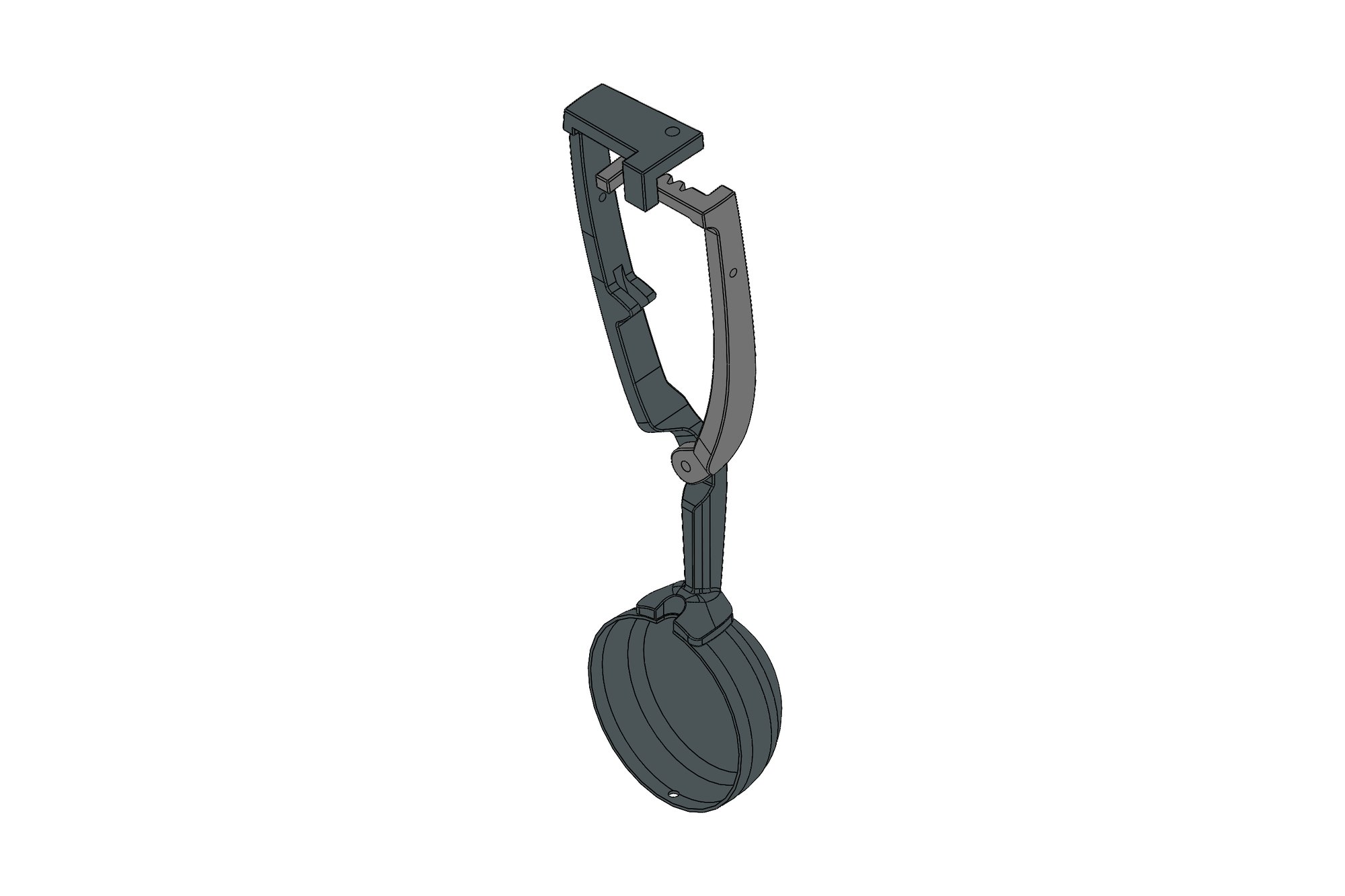
Feed Box Scoop: 3D Scan, CAD Rebuild and Lighter, Stronger Redesign
An R&D project for a gear manufacturer: the existing machine-tool feed box scoop and table gear parts were 3D scanned, rebuilt as parametric SolidWorks models from the scan, then redesigned through several revisions to use less metal while making the loaded sections stronger.
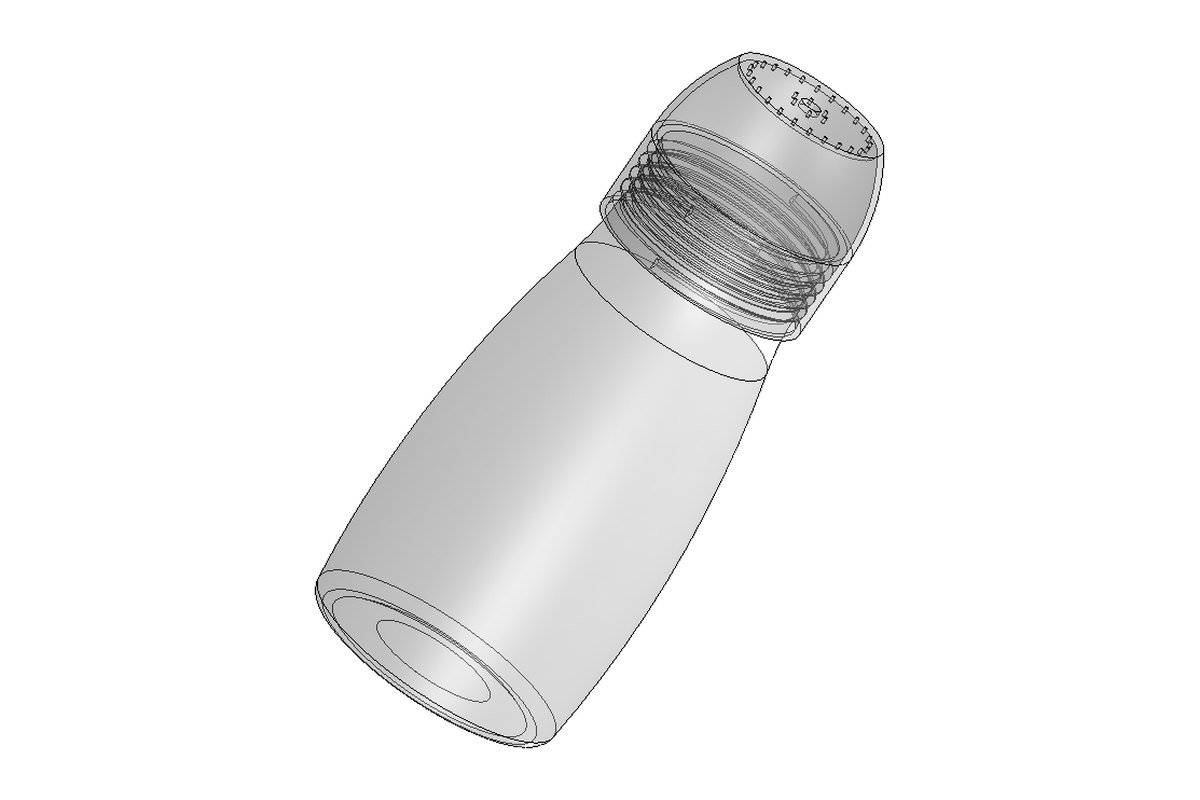
Concept to Production Product Development
End-to-end product development — concept, detailed design, design for manufacture review and a complete production drawing package.
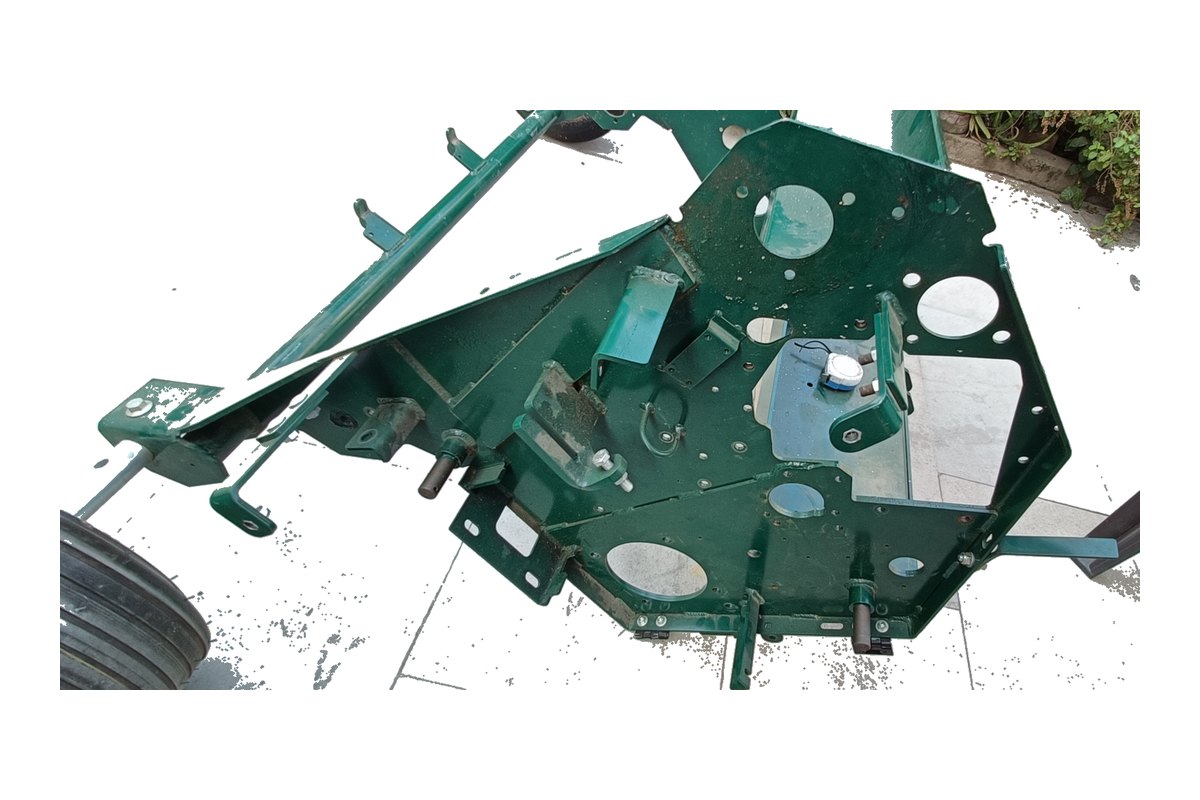
3D Scanning to Production CAD
3D scanning converted into production CAD — point cloud to clean parametric solid model that can be edited, dimensioned and manufactured.
Commercials
Three ways to engage
No price lists — every package is quoted on its inputs — but the model is always one of these.
Fixed-price project
Defined scope, itemised quote, agreed delivery date. Best for drawing packages, conversions, reverse engineering and analysis studies with clear inputs.
Hourly with a cap
For design development where scope evolves. Weekly hours against an agreed cap; nothing exceeded without approval.
Dedicated engineer
A named engineer on your work month by month, inside your CAD, PDM and standards — an extension of your drawing office.
NDA before files
Your NDA or ours, signed before any drawing changes hands. IP transfers to you on payment.
Controlled access
Only the engineers on your job see your files; stored on controlled systems, deleted on request.
Second-engineer check
Every package checked against your inputs and standard by an engineer who did not do the work.
Technical FAQ
Questions engineers ask before outsourcing 3d printing & scan-to-cad
Do you have your own 3D printers?
Yes. We print in-house on FDM and resin printers, which is how we turn around prototypes and fixtures within days.
Do you do the 3D scanning too?
No. We do not operate a scanner. We convert scan data you or a partner produce, and we can arrange scanning through a partner. Simpler parts are often reverse engineered from a measured sample without a scan.
Which materials can you print?
Engineering FDM materials and resins suited to fit, form and functional testing. Tell us what the part must survive — load, temperature, chemicals — and we recommend the material and send its datasheet with the print.
How accurate are printed parts?
It depends on the process, material and geometry; we state the expected tolerance for your part before printing and design fits and clearances accordingly rather than quoting a single figure.
Can you print from a scan directly?
A clean mesh can be printed for a physical replica. If you need to edit or manufacture the part, we rebuild the scan as parametric CAD first.
Do you offer production 3D printing?
Our focus is prototypes, fixtures and low-volume functional parts. For production runs we design for the process and can recommend a production partner.
Can the printed part be used as a casting pattern or fixture?
Yes. We design and print patterns, drill jigs, assembly fixtures and check gauges, with the orientation and material chosen for that duty.
Related services
Send the job. Get an engineer's answer.
Drawings, a sketch or a description — itemised quote, deliverables list and timeline within one business day (IST).